
Oxygen Therapy to Support Your Lifestyle
Pulmonary arterial hypertension (PAH) is a rare, serious disease that gets worse over time. In healthy lungs, blood cells move freely through blood vessels, picking up oxygen before returning to the heart. But in people with PAH, the blood vessels in the lungs narrow and become thicker. This forces the heart to work harder to keep blood pumping through the lungs.
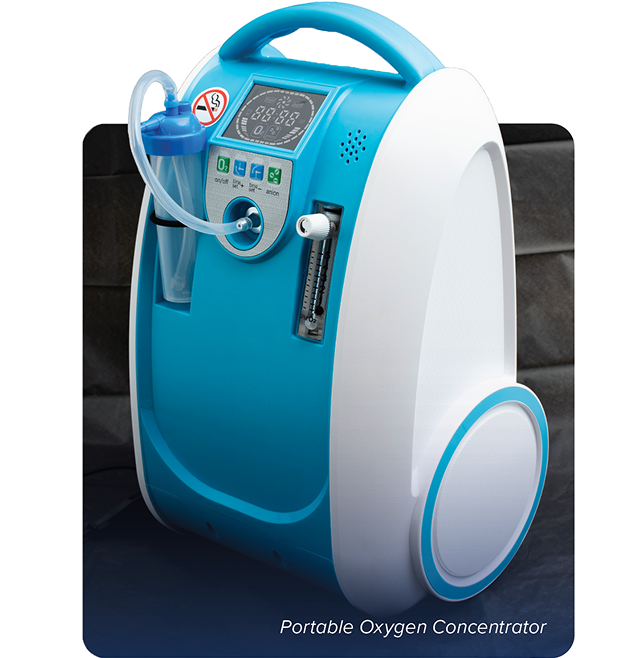
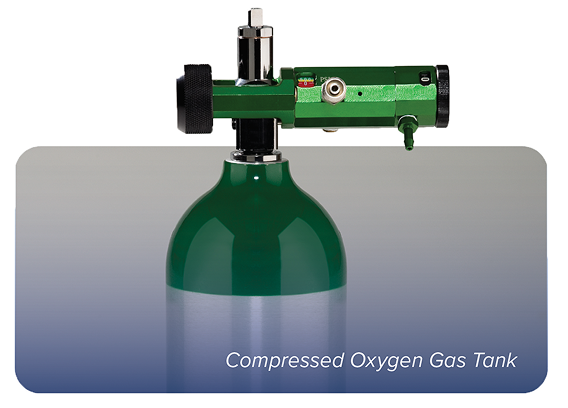
While PAH medications can help address these blood vessel changes, researchers are discovering more and more how supplemental oxygen may help people with PAH. For example, one research study found that using supplemental oxygen can lower how hard the heart has to work! People with PAH who used supplemental oxygen while walking had lowered heart rates during the six-minute walk test.
Oxygen therapy does more than improve oxygen saturation and support heart function—it can also influence how people feel and function in daily life. Because supplemental oxygen can affect many aspects of well-being, decisions about prescribing oxygen should consider the whole person, not just physical symptoms. This includes a patient’s healthcare preferences, daily activities, occupation, mobility challenges, mental health, and the availability of caregiver support.
Think about times in your life when you or your loved one’s PAH stopped them from doing “normal” tasks, like going to the grocery store. Maybe managing their supplemental oxygen in public felt like too much. But avoiding oxygen can also mean giving up independence and a sense of a normal life when people living with PAH are already often dealing with anxiety, depression, and social isolation.
When we recognize that PAH affects the whole person—not just the body—it opens up bigger conversations, such as how new oxygen technologies might help people with PAH live fuller lives beyond managing and monitoring their condition.
Dr. Hadi Chohan, a pulmonologist and pulmonary hypertension specialist, knows first-hand the impact supplemental oxygen can have, and how tailored it should be to a patient’s goals. “Low oxygen levels can trigger the worsening of pulmonary hypertension, and that is why oxygen therapy is an important part of the treatment plan. If a patient is improving and we are also able to reduce someone’s oxygen needs over time, then that is an excellent sign of overall improvement of their PAH.”