
PAH medications: Helping correct the imbalances behind your symptoms
To understand how pulmonary arterial hypertension (PAH) medications work, you must first understand the substance imbalances in your body and why medications are needed to help correct them.
The body produces different natural substances that help keep blood vessels in the lungs healthy when they are at the right levels.

"Treating PAH through only one pathway may not be enough for many patients. It’s important to discuss all your options for each pathway with your healthcare team, especially if you’re not meeting your goals." —Laura, PAH Initiative Patient Ambassador

1 or more natural substances have become out of balance
In some people living with PAH, too much of an important natural substance is produced by the body; in others, not enough substance is produced. Most people with PAH have more than 1 substance out of balance.

Substance imbalances cause vessel changes and PAH symptoms
Without the right level of each substance, blood vessels in the lungs become narrower and the vessel walls become thicker. These vessel changes cause PAH symptoms and strain on the heart over time as it struggles to push blood through the narrower vessels.
Treating PAH is a re-balancing act
Each substance imbalance corresponds with what PAH experts call a treatment “pathway.”
The 4 PAH treatment pathways are nitric oxide, endothelin, prostacyclin, and activin signaling.
Each type of PAH medication helps fix an imbalance in 1 natural substance. PAH medications help restore the balance by:
- Slowing down substance production (when you produce too much of it), or
- Replacing or increasing substance production (when you don’t have enough of it)
When substances are better balanced, the blood vessels in your lungs become less narrow, and your PAH symptoms may improve.
Depending on your response to your current treatment plan, your specialist may recommend adding a medication to treat an additional pathway. If you are not improving enough, you may have another substance out of balance that needs to be addressed.
Substance imbalances & PAH medications: A closer look
In PAH, a different type of medication is available to treat each pathway. PAH experts call each type a “class of medication”—and each helps correct the imbalance within a single pathway.
Currently no test is available to determine which substances are out of balance and should be treated with PAH medication. However, patient research over the years has provided important clues that lead PAH experts to believe most patients have at least 2 substances out of balance.
This is why it is common for many patients to add a medication to their treatment plan, depending on how they respond to their initial treatment plan.
Adding a PAH medication may give you a “smoother ride”
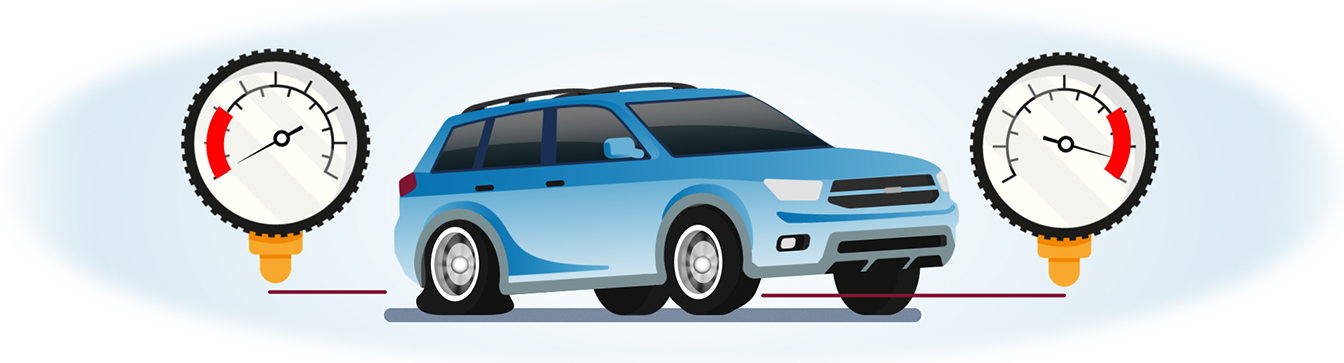
If more than 1 tire is out of balance, would you fix only 1? No, that wouldn’t be enough to give you a smooth ride. In the same way, rebalancing more than 1 pathway can help make life with PAH less bumpy. Watch to find out how.
I’m Dr. Lana Melendres-Groves, and I’m the medical director for the Pulmonary Hypertension Program at the University of New Mexico. Today, I want to start by asking you a simple, yet meaningful, question. How are you really feeling? If you’re living with PAH, taking a moment to ask yourself this question regularly is important. Healthcare providers often see patients who do not prioritize themselves and their health as much as they should. For example, people with PAH may not speak up when they’re not feeling well, potentially missing the opportunity to discuss changes to their treatment plan that could help them feel more like themselves again. Knowing this, let’s revisit those substance imbalances that contribute to your PAH symptoms and explore how each imbalance can be addressed by a different PAH medication. We’ve learned that people with PAH typically have an imbalance in 2 or more of the natural substances that play important roles in keeping the lungs’ blood vessels healthy. Each substance in balance corresponds with what PAH experts call a treatment pathway. The 4 PAH treatment pathways are the nitric oxide, endothelin, prostacyclin, and activin signaling pathways—and the good news is that each pathway has a type of medication that can help rebalance it. To understand this better, let’s take a closer look at the 4 pathways that medications treat. First, let’s talk about the nitric oxide pathway. People living with PAH may not produce enough nitric oxide. Medications that treat the nitric oxide pathway help replace the nitric oxide that may be missing in PAH. These medications are available in pill form for patients who have been recently diagnosed with PAH. Medications for this pathway help open the blood vessels in your lungs, allowing blood to flow more easily and reducing pressure on your heart. Now, let’s look at the endothelin pathway. People with PAH may produce too much endothelin. So, medications targeting the endothelin pathway help reduce the extra endothelin your body produces. In turn, these medications help open blood vessels and slow down the thickening of the vessel walls. Medications that treat the endothelium pathway are available in pill form and are often prescribed for patients who have been recently diagnosed with PAH. Let’s move on to look at the prostacyclin pathway now. It’s another important one. People with PAH may not produce enough prostacyclin. Medications that treat the prostacyclin pathway help replace the missing prostacyclin. This may also help blood vessels, slow down vessel wall thickening, and prevent clotting. Finding the right dose of a prostacyclin-class medication can help ensure it’s providing the most benefit. Medications that treat the prostacyclin pathway come in 3 different forms: inhaled, pill, and infused. Many patients prefer the inhaled form, as it delivers the medication directly to the lungs. Prostacyclin-class medications are recommended by PAH experts for patients at high-risk status upon diagnosis or added to treatment plans for patients who aren’t getting to low-risk status quickly enough. The fourth and final pathway is the activin signaling pathway. The medication targeting this pathway helps address a complex substance imbalance. Doing so may help control overgrowth in blood vessels. This medication is available in injection form and is typically added to a treatment plan for patients who are not getting to low-risk status quickly enough. This medication is often used in combination with other medications, including prostacyclin-class medications.
PAH treatment pathways & medications
Since prostacyclin-class medications were approved in 1995, 3 additional medication classes have been approved. Each class helps rebalance a different substance imbalance, and medication classes vary in terms of forms available.
Prostacyclin

People with PAH may not produce enough prostacyclin
Medication class
Prostacyclin
(approved in 1995)
8 approved medications
Medication helps:
Restore prostacyclin levels
- Helps open narrowed blood vessels in the lungs
- Helps slow down thickening of vessel walls
- Helps prevent clotting
Typical use
Patients at high-risk status upon diagnosis or to be added to treatment plans for patients who aren’t getting to low-risk status quickly enough
Available forms



(pump therapy)
Endothelin
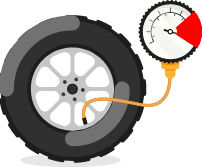
People with PAH may produce too much endothelin
Medication class
Endothelin receptor antagonist (ERA)
(approved in 2001)
3 approved medications
Medication helps:
Reduce endothelin levels
- Helps open narrowed blood vessels in the lungs
- Helps slow down thickening of vessel walls
Typical use
Part of initial treatment plan
Available forms
Nitric Oxide
People with PAH may not produce enough nitric oxide
Medication class
Phosphodiesterase-5 inhibitor (PDE-5i) & Soluble
guanylate cyclase stimulator (sGCS)
(approved in 2005)
4 approved medications
Medication helps:
Restore nitric oxide levels
- Helps open narrowed blood vessels in the lungs
- Helps slow down thickening of vessel walls
Typical use
Part of initial treatment plan
Available forms
Activin Signaling
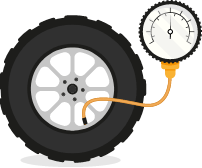
People with PAH may have imbalances in substances called activin and TGF-beta
Medication class
Activin signaling inhibitor
(approved in 2024)
1 approved medication
Medication helps:
Balance activin and transforming growth factors (TGF-beta)
- Helps balance the overgrowth of blood vessels in the lungs
- Helps blood vessels function more effectively
Typical use
Added to treatment plans for patients who aren’t getting to low-risk status quickly enough
Available forms

Why do experts recommend that most patients take multiple PAH medications?
An analysis of several studies involving thousands of patients found that those on a single medication had a higher risk of worsening PAH. That’s why treatment guidelines developed by PAH experts recommend that most patients take multiple PAH medications, as this approach has been shown to improve Functional Class (the ability to perform daily activities with fewer symptoms) and increase 6‑minute walk distances.
Hear a PAH specialist’s perspectives on when it’s time to make a change
In this clip, Dr. Lana Melendres-Groves explains when it might be time to consider adding a medication to your treatment plan.
So, we have 4 different pathways, with medication to treat each. But how do we know when it’s time to switch, combine, add, or change the dose of medications? PAH experts believe risk status helps you and your doctor know how well your treatment is working. Risk status combines your test results, your symptoms, and other important clues into an overall picture of your unique PAH. This helps tell you if you are on the right track or if it’s time to make an adjustment. For most patients, one important goal is achieving low-risk status. When patients are low-risk status, they are likely to feel better and walk farther with fewer symptoms. Regular risk assessments by your PAH specialist can help ensure you are headed in the right direction. This is why you need to have frequent communication with your PAH specialist. Be sure to keep on top of regular appointments, and also keep your specialist informed of exactly how you are feeling. What you tell your specialist helps personalize your treatment plan. So, we’ve talked a little about how we determine when it may be time to add or change PAH medications , but how do we know which of the available medication to use? Well, while no single test can pinpoint the exact imbalance you may have, years of PAH patient research—as well as listening to your symptoms—provide important clues. We know which medications are typically prescribed first and which are added later if risk status isn’t showing adequate improvement. Adding a medication can help patients get the most out of each day. Another consideration is adjusting the dosage of medications to get the best possible results from your treatment plan. Understandably, many of my patients are sometimes reluctant to add another medication, but feeling unwell isn’t ideal either. Ultimately the key is to really consider the potential benefits and work closely with your specialist to navigate any challenges and side effects. If you are already on PAH medication but not tracking toward your goals or feeling as well as you’d hoped, then consider asking your specialist about adding another medication. It’s more than OK to ask questions and explore your options. It’s crucial. Your PAH specialist is there to listen, is equipped to answer questions, and can help you make informed decisions. Adding a PAH medication or modifying your treatment plan may help improve PAH symptoms, allowing you to do more activities and feel more like yourself. Earlier, I asked you how you were really feeling. Have you thought about it recently? If you are not feeling as well as you’d like, now is the time to take action. Ask your specialist if adjusting your treatment plan could be the right next step. We can’t always see what’s over the horizon. That doesn’t mean we don’t have options for getting there. Keep going, prioritize you, and remember, you are not alone.
How is your current treatment plan working?
Is your treatment plan helping you:
- Meet your goals?
- Stay active and do daily activities?
- Feel like yourself again?
If you answered “no” to any of these questions, ask your PAH specialist if it’s time to consider adjusting your treatment plan.
Is adding a medication the missing piece to your treatment plan?
Adding a PAH medication could lead to additional symptom control and may allow you to spend more time feeling like yourself.