Finding the PAH Support You Need

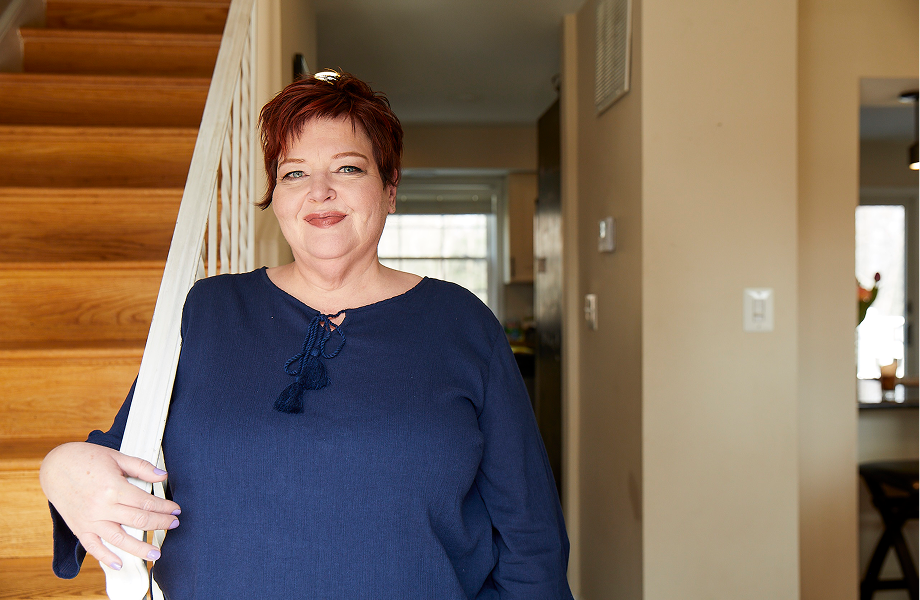
Karen next to stairs smiling

Finding the Support You Need

How Karen Learned About the Power of Connection After Her PAH Diagnosis

Living with a rare disease can be isolating and overwhelming. It can be difficult to find others who truly understand what you’re going through. For a person living with pulmonary arterial hypertension (PAH), connecting with others is essential. Support groups, healthcare teams, and personal relationships with family and friends can be a great source of comfort, guidance, and strength. Building connections that offer emotional support and a sense of belonging can make a significant difference when facing the daily challenges of living with PAH.

Karen, a PAH Initiative Ambassador and longtime support group leader, knows firsthand the incredible impact a strong support network can have on emotional resilience and quality of life. From rebuilding her life after almost experiencing heart failure to establishing a thriving support group, Karen’s story is a testament to the transformative power of connection.

Karen’s Journey to Leadership

Before she was diagnosed with PAH, Karen worked as a hairdresser in her own salon for 15 years. It was a physically demanding job, but Karen enjoyed the daily commotion and drama. When her diagnosis forced her to leave her career behind, Karen found herself grieving the life she had built.

“After I was diagnosed, I was never able to go back to the salon,” Karen said. “It was really devastating. My whole life was turned around.”

Although Karen knew she needed to connect with others who were living with PAH, a year passed before she attended her first support group. She started small by speaking with a mentor on the phone through the Pulmonary Hypertension Association (PHA). When she felt ready, she joined her mentor’s support group and found the sense of community she needed.

Karen’s experience with her mentor was invaluable. Talking with others helped her learn more about PAH and find a place of acceptance. She happily attended meetings for three and a half years, driving an hour each way. When she realized she wanted a more local group, Karen took matters into her own hands.

“Through PHA, I saw that you could train to become a mentor and connect with newly diagnosed patients online or by phone,” Karen said. “I thought, I could do that!”

Karen volunteered as a PHA mentor for about a year before deciding to become a PHA support group leader. After completing her training, Karen worked with her PAH specialist to secure a meeting room at the hospital and share her support group details with other patients. Despite challenges like learning new technology, Karen built a fun and welcoming group. Today, her support group meets once a month for educational sessions, activities like yoga and scavenger hunts, and annual anniversary celebrations.


“When you walk into a support group, it feels like a great big hug, it’s okay to cry or laugh. Everything that is discussed in our group, stays in our group.”

–Karen, PAH Initiative Patient Ambassador

Laura Portrait

Support for PAH Patients

Becoming part of a support group is a great way for people living with PAH to meet others who are facing similar challenges, forge friendships, and ultimately, find hope.

When patients come together and share their experiences, they can learn from one another and even celebrate successes together.

“You go through good times and bad times together,” Karen said. “It helps to know that you’re not alone.”

Support networks extend far beyond other patients, though. Family, friends, and healthcare teams can provide support too. At Karen’s meetings, family and friends are invited, and she regularly shares information about caregiver support groups. While doctors tend to provide more practical and informational support, Karen believes a strong relationship between a patient and their doctor can also lead to a deeper connection with the entire PAH community—and that connection can make a significant difference.

“There are all kinds of support groups out there,” Karen said. “It’s such a rewarding experience!”

Becoming a Support Group Leader

After celebrating the seventh anniversary of her support group last June, Karen encourages others to become support group leaders too. For anyone interested in taking the next step— whether by attending a meeting, becoming a mentor, or leading a group—Karen offers this powerful advice: “Anyone can become a mentor or a support group leader. This is how I started, and you can start too!”

Tips for Being a Support Group Leader

Contact the Pulmonary Hypertension Association (PHA)

Begin by reaching out to the PHA to learn about their mentor and support group leader programs. They offer training and guidance for individuals interested in sharing their experiences and helping others living with PAH. https://phassociation.org/support/

Find Members

Collaborate with your healthcare team and the PHA to identify potential members for your support group. Distribute flyers, write to your hospital newsletter, and utilize social media to spread the word about your group.

Set Meeting Goals and Topics

Define a clear agenda and expectations to ensure meetings are meaningful and enjoyable for all members. Plan a variety of meetings throughout the year that cover relevant topics, share educational resources, and promote social engagement. Consider activities like yoga, cooking classes, or a picnic in the park. Invite representatives of the PAH community to speak and celebrate group milestones to keep meetings informational and fun. You can also submit requests for educational content, HCP speakers, and modest funding for refreshments to companies like United Therapeutics. The PAH Initiative offers programs on various topics that your group may be interested in, and the PHA can point you towards those resources and other meeting resources.

Foster a Welcoming Space

Create an inclusive, safe environment where participants feel comfortable sharing their experiences. Provide refreshments, encourage open dialogue, and maintain a nonjudgmental atmosphere. If possible, host meetings in a familiar and easily accessible location with convenient amenities. This ensures attendees can focus on connecting without having any logistical concerns.

Interested in getting involved as a support group leader or participant? Start here: phassociation.org/supportgroups/

Visit the PHA Site

Learn more about PAH

PAH is a complicated disease that can be difficult to understand. We’ve broken it down for you with easy-to-understand information, simple graphics, and informative videos from a PAH specialist.

What Is PAH?

You may also be interested in …

Ambassador spotlight - Peggy

Learn how Peggy renewed her competitive spirit after her PAH diagnosis and how she won't let an oxygen tank define her.

Competitive Spirit with PAH ⟩

What PAH risk status means to me

How has knowing their risk status helped Lauren and Karen better understand if their treatment plan is working?

Knowing your PAH Risk Status ⟩

Self-Care and healthy living with PAH

Living with PAH can be a big adjustment and taking care of yourself can make a big difference. But where do you start?

Self-Care and Healthy Living ⟩

Join the initiative!

X

Sign up to stay informed about PAH and the PAH Initiative. It’s quick and easy.

Yes, sign me up