Dancing to Her Own Tune with Pulmonary Arterial Hypertension

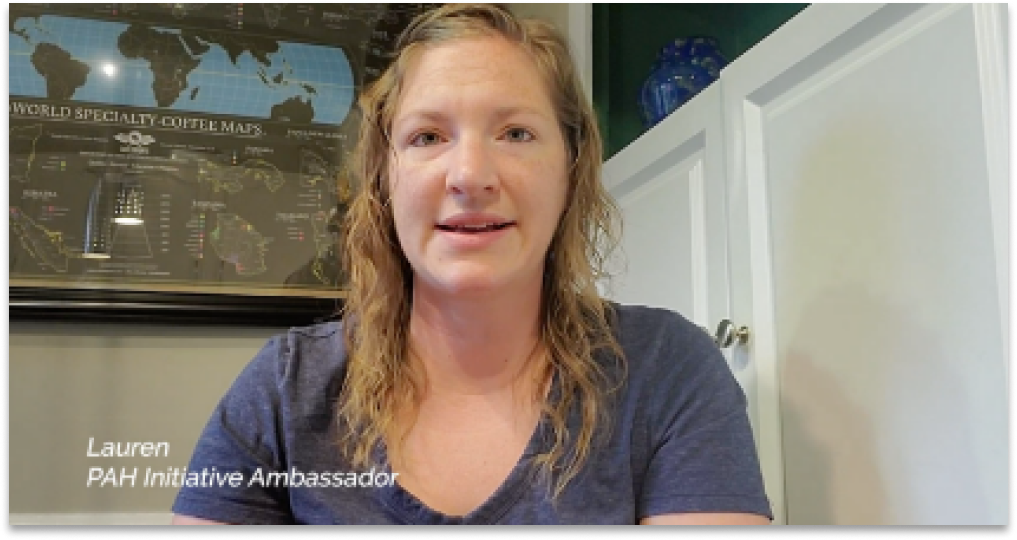
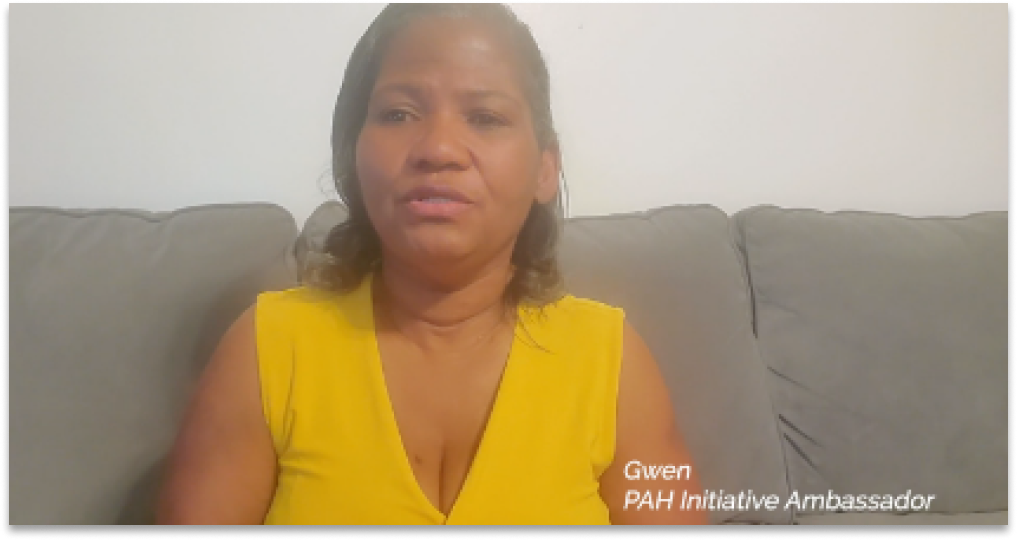
PAH Initiative’s diet, nutrition, and low salt article thumbnail

Dancing to Her Own Tune

How Laura’s Self-Advocacy and Resilience Has Kept Her Moving Towards Her Goals

As the rhythmic beat of her favorite Reggae song reverberated across the nightclub, Laura and her girlfriends hurried to the dance floor. Laura had just turned 21 and was a happy, active young woman. The native New Yorker was counting down the days to her wedding and completing her degree as a medical assistant. But more and more often she noticed she had to stop to catch her breath while dancing. “Although I only weighed 90 pounds, I would blame it on being out of shape,” Laura says. “After I recovered, I would go back to the dance floor and keep on dancing.”

Laura didn’t think much of her shortness of breath until the day her medical tech class practiced EKG readings. When it was Laura’s turn to play the patient, the cardiologist who was reading the results did a double take. A second EKG on Laura produced the same results. Convinced his students had done something wrong, the instructor performed the test himself. Laura wasn’t concerned until he pulled her aside and told her to meet with a cardiologist to get a full workup.

An Unexpected Diagnosis

After seeing a cardiologist, Laura was diagnosed with a heart defect. Surgery was scheduled, but when a heart catheter revealed the possibility of pulmonary hypertension, her doctors canceled the procedure. Laura’s cardiologist referred her to a specialist, who repeated the heart catheter and diagnosed her with pulmonary arterial hypertension (PAH). She was prescribed a diuretic and medication to help improve her heart strength, but initially declined to go on IV treatment because she felt it was too intrusive.

Although she was initially stunned by the grim prognosis, Laura refused to give up. She completed her training as a medical technician and got married as planned. While many things would change for her in the following years, including going through a divorce and getting remarried, her PAH specialist remained a constant in her life. Under her care, Laura became involved in making decisions about her treatment plan and tried different PAH treatments. She decided that going on infused (IV) medication was too much of a commitment for her lifestyle and instead opted to manage her symptoms with medications to regulate her heart. “My doctor would give me material to read for the treatment so I could become knowledgeable,” she says. “If I felt like a certain medication didn’t work or was causing side effects, I would let her know immediately.”

Setting New Goals

As Laura’s PAH progressed, she eventually began to experience congestive heart failure, forcing her to quit her job and go on disability. But during her time in the hospital, Laura’s desire to become a nurse was reignited by the empathy and care of the nurses who helped her on the cardiac unit.

This motivation was the spark that finally prompted Laura to accept her doctor’s recommendation and consider IV treatment. Laura and her PAH specialist discussed the various types of PAH treatments and how they work in the body. Today, these include medications that work on the nitric oxide, endothelin, prostacyclin, and activin signaling pathways.

After embracing a combination treatment plan that included an IV prostacyclin-class medication, Laura’s doctor agreed that her PAH was stable enough for her to return to school. However, she still faced ongoing challenges. “It wasn’t easy because I kept getting line infections, and I often had to take my exams from the hospital,” Laura recalls. “But I told my professors about my health condition, and they worked with me.”

With the support of her doctor and husband, Laura completed an accelerated, 18-month course and received a Bachelor of Science degree in nursing.

“I felt like there was a purpose for me because I’d been through so much,” Laura says. “I could be an inspiration to others with disabilities, to show that they can do whatever they set their minds to. If they want it, they can make it happen.”

–Laura, PAH Initiative Patient Ambassador

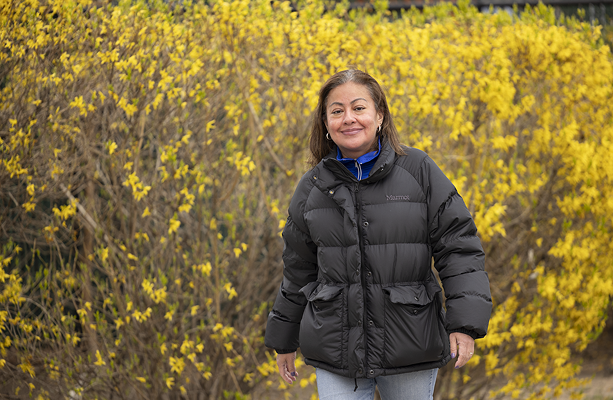
Laura Portrait

Encouraging Advocacy

In the beginning, Laura hid her pump because she didn’t want anyone at work to think she couldn’t do her job. Today, there’s no more hiding. Instead, she draws from her experience as someone living with a chronic disease in her role as an ER nurse at a Level I trauma center specializing in pediatric care. Laura encourages her teenage patients to listen to their bodies, have a good relationship with their doctors, and ask lots of questions. She also encourages her patients to stick with their treatment, especially once they find something that works.

“I’m a great example of how persistence pays,” Laura says. “Now—years after my diagnosis— I have a treatment plan that works for me.”

Laura’s top tip for others living with PAH: Always ask for help. Now 51, Laura admits it’s sometimes been difficult for her to rely on others, but she now recognizes the importance of building a support network and community to lean on when needed. “When you’re living with PAH, you can’t do it alone,” she says. “You need friends or family to be there for you when you’re feeling emotionally overwhelmed. I advocate for mental health by encouraging people to see a therapist or asking friends and family to help you process your emotions and talk through your feelings.”

Today, Laura is still dancing. “Occasionally I will go to a club to get my dance on,” she says, smiling. “Maybe I dance a little slower, and if I’m dancing to salsa or merengue, I will occasionally stop to catch my breath—but once I do, I keep dancing.”

Learn more about PAH

PAH is a complicated disease that can be difficult to understand. We’ve broken it down for you with easy-to-understand information, simple graphics, and informative videos from a PAH specialist.

What Is PAH?

Learn about PAH Treatment Options

Explore the different types of PAH medications, how they work, and the forms available.

Learn More

You may also be interested in …

Ambassador spotlight - Peggy

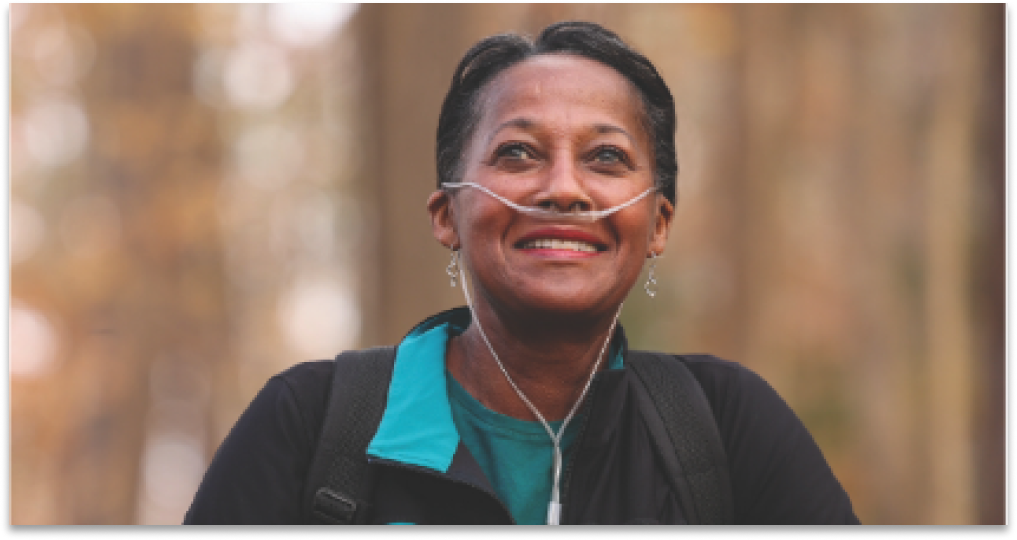
Learn how Peggy renewed her competitive spirit after her PAH diagnosis and how she won't let an oxygen tank define her.

Competitive Spirit with PAH ⟩

What PAH risk status means to me

How has knowing their risk status helped Lauren and Karen better understand if their treatment plan is working?

Knowing your PAH Risk Status ⟩

Self-Care and healthy living with PAH

Living with PAH can be a big adjustment and taking care of yourself can make a big difference. But where do you start?

Self-Care and Healthy Living ⟩

Join the initiative!

X

Sign up to stay informed about PAH and the PAH Initiative. It’s quick and easy.

Yes, sign me up