
A diagnosis of pulmonary arterial hypertension (PAH) can feel like a complex puzzle. Without the right healthcare partner, patients often struggle to see the complete picture of their PAH. In a prior article, you read how Haley felt unheard, frustrated, and angry—unable to find connection between her lived experience and her doctor’s clinical approach. She found herself skipping treatments and avoiding her doctor’s advice.
Everything changed when Haley found a PAH specialist and care team who introduced her to shared decision-making—patients and doctors working together to make decisions. Haley’s experience tells a story of how this kind of partnership can help you find your voice and take an active role in your own care.
Shared decision-making is a collaborative, patient-centered approach where you and your healthcare team work together to make the best decisions to fit your preferences, values, and best available medical facts. It’s a partnership built on simple truths:
Making this collaboration work depends on 3 components:
After years of feeling discouraged, Haley knew she’d reached a turning point when she started seeing a new care team that gave her a seat at the treatment- planning table.
By actively listening to her input, her new team connected with her on a human level, helping her move beyond her earlier feelings of anger and resistance. This empathetic approach became a breakthrough that allowed her to get back on track with her care. Haley remembers how this breakthrough was made possible by a specific moment of connection.
“For the first time, a doctor made sure I understood that PAH was a progressive disease. Then she looked at me and said, ‘I know, you feel as though this disease is taking over your life.’ That was all it took. In that moment, I felt that I was finally being listened to and understood.”

For many years, medical practice widely followed a “doctor knows best” approach, where decisions were often made for instead of with the patient.
The research of Dr. Vijay Balasubramanian and Dr. Paresh Giri, two PAH specialists interested in shared decision-making in PAH, has revealed something remarkable: patients and healthcare providers overwhelmingly agree on the importance of working together. The challenge isn’t convincing either side of the value—it’s bridging the differences in priorities and communication styles to achieve shared decision-making.
Dr. Giri explains the risks of not having this equal partnership: “Without shared decision-making, patients often stay quiet about concerns, which leads to poorer results in their care. Power imbalances in medicine are real, and when patients participate as equals, they’re more satisfied and engaged.”
Today, PAH care is steadily moving toward a model where decisions are made with the patient. This is particularly vital in PAH, where treatment plans can significantly impact an individual’s daily life and often require adjustment as the disease progresses.
Both doctors welcome this change and see education as the core of effective shared decision-making—for both patient and provider. They stress that education is key to connecting the patient’s and doctor’s perspectives, ensuring productive conversations and shared understanding.
Dr. Balasubramanian explains: “Patients who educate themselves form a bridge to better collaboration with their doctors. Without it, conversations may happen in a ‘vacuum’—where words are exchanged without shared understanding.”
Haley realized that education was key to her empowerment. She began reading about therapies and even brought research information to her appointments. This sparked conversations that shifted how Haley saw herself—from “just a patient” to “captain of her care team.”
Haley’s transformation illustrates the profound impact of shared decision-making in PAH care. But how can you embrace this approach in your own healthcare experience?
The first step is to recognize that collaborative care may need to start with you. In your role as an active partner, you can take practical steps to build a better relationship with your care team and make your voice heard.
Prepare for appointments: Before every appointment, take time to reflect on your symptoms, challenges, and personal goals. Jot down notes or questions. This helps you stay focused and ensures you don’t forget to mention something important. When you ask questions, you are helping your doctor give you the best possible care.
Initiate an open dialogue: When you walk into the room, you can set the tone for collaboration right away. The American Academy of Family Physicians recommends that you express:
Think about asking questions like these to encourage open conversation:
Haley offers practical advice on how to be an active part of the ongoing dialogue: “To have better communication with doctors, you have to be present! I know it’s hard when you’re living with a challenging disease, but you have to be there with them in the moment and be willing to hear what they have to say. It’s a two-way street.”
Through dialogue, you and your doctor can get on the same page about what matters most. While your doctor’s top priority may be to prevent your PAH from getting worse, your top priority may be how you feel day to day. Open communication allows you to find common ground and weigh the pros and cons together to find the best course of action.
Feeling heard and respected is a fundamental part of living well with PAH. Finding a specialist and care team who partners with you can make all the difference. As Haley’s story shows, it’s OK to keep pushing until you feel you’ve found the right fit. It’s an act of self-advocacy that can transform your health.
You can tell how well you’re working with your team by asking yourself 3 simple questions after each appointment:
Patients with a strong caregiver or family support have a better chance at successful shared decision-making. Haley agrees, noting that in the beginning, she was often so nervous that she would forget what her doctor said. That’s where a caregiver comes in, acting as an extra set of ears and a source of emotional support.
Dr. Balasubramanian and Dr. Giri echo this sentiment, emphasizing that a team of caregivers, friends, and family can help you remain calm, do research, and look at facts objectively. Support groups can also be critical, as hearing about other patients’ experiences can provide new ideas and insights that make the patient-doctor relationship more personable and less intimidating. Being part of these support groups may also improve your overall quality of care.
You belong at the decision-making table with your doctor, and establishing collaborative care may improve your experience and your health. Use your voice, nurture your support system, and keep educating yourself. Through collaboration, you can cultivate a more empowered PAH treatment experience tailored to you.
PAH is a complicated disease that can be difficult to understand. We’ve broken it down for you with easy-to-understand information, simple graphics, and informative videos from a PAH specialist.
What Is PAH?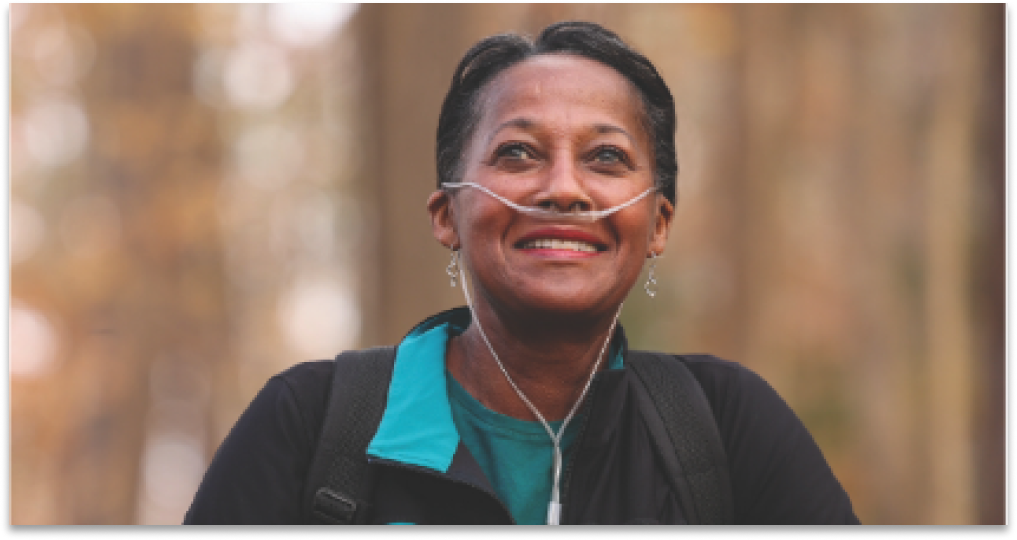
Learn how Peggy renewed her competitive spirit after her PAH diagnosis and how she won’t let an oxygen tank define her.
Competitive Spirit with PAH ⟩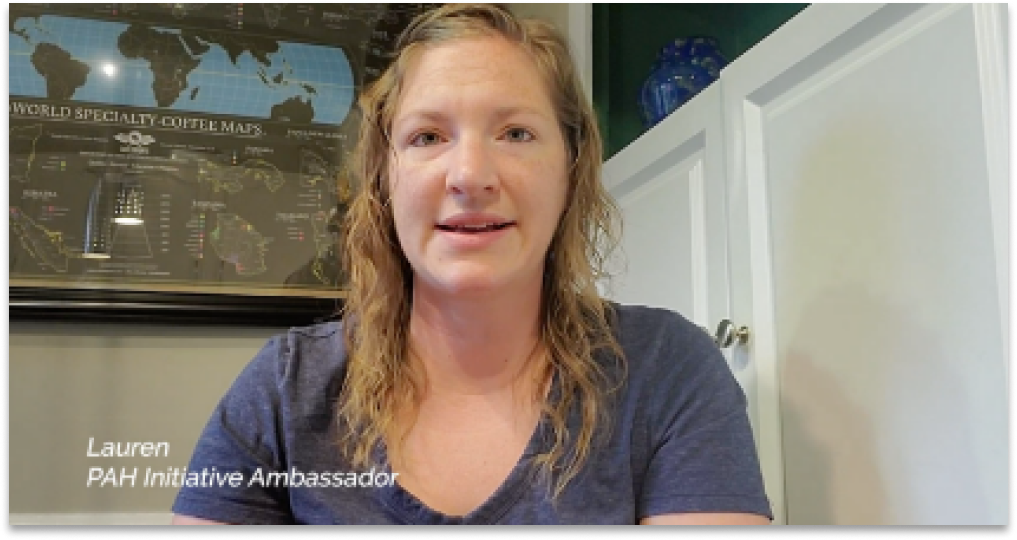
How has knowing their risk status helped Lauren and Karen better understand if their treatment plan is working?
Knowing your PAH Risk Status ⟩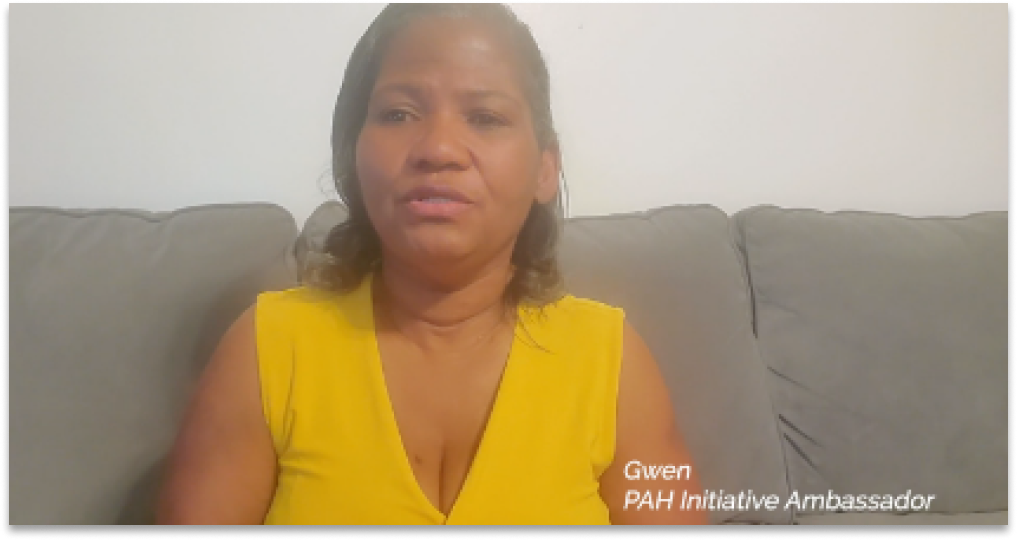
Living with PAH can be a big adjustment and taking care of yourself can make a big difference. But where do you start?
Self-Care and Healthy Living ⟩