
Cardiopulmonary Rehab for Pulmonary Arterial Hypertension (PAH)

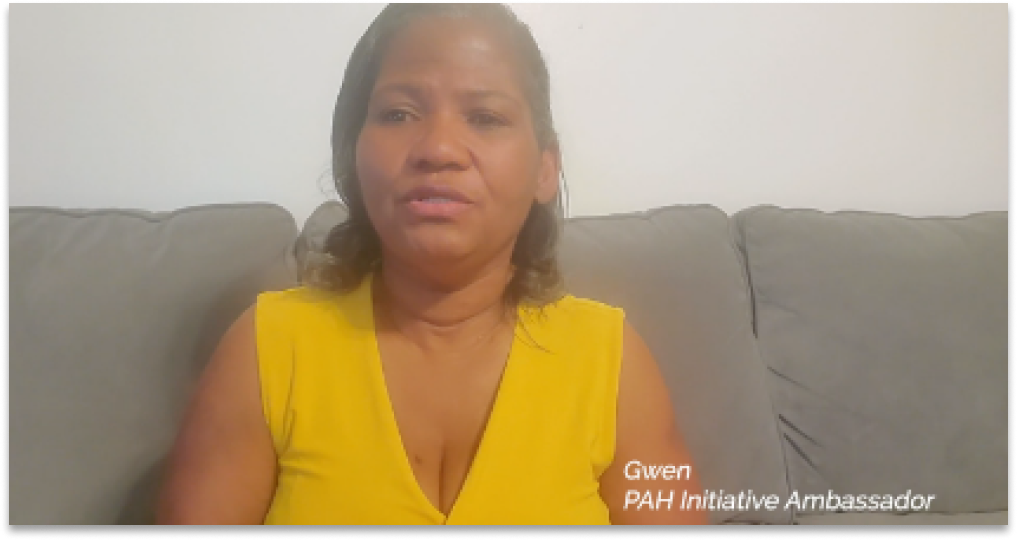
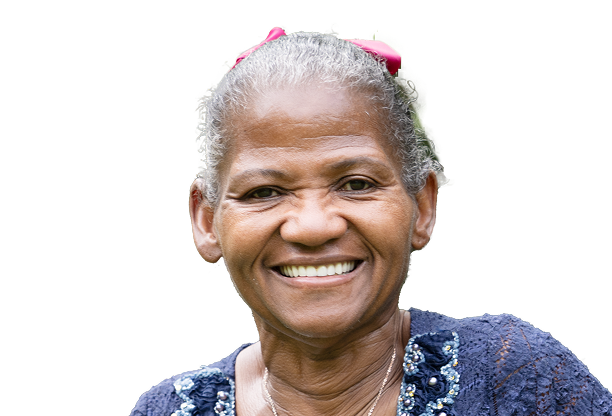
Portraits of Gwen and Thekla

The Power of Movement

How Cardiopulmonary Rehabilitation Helped Gwen and Thekla Keep Moving Forward

This article is for educational purposes and is not a substitution for your doctor’s advice. Not all exercise programs are appropriate for all patients. Please talk to your doctor before starting any exercise program.

When you’re living with pulmonary arterial hypertension (PAH), the idea of movement can feel overwhelming. Fatigue, shortness of breath, and fear of overexertion are real challenges—but as many individuals discover, movement isn’t just possible, it’s powerful.

For Gwen and Thekla, learning to stay active with PAH was a journey of rediscovery. Through cardiopulmonary rehabilitation (rehab), daily routines, and support from their care teams and families, they found new ways to move, thrive, and reclaim control of their lives.

Finding Your First Step

When Thekla was first diagnosed with PAH in 2013, she didn’t know how to process it. “As soon as I was diagnosed, I went to the recliner,” Thekla said. “I was afraid to move at all. I ate, drank, slept, and stayed in front of the TV.” It was a stark contrast to her life before—active, involved, and mobile. Like many newly diagnosed individuals, Thekla wasn’t given a clear roadmap.

“There wasn’t a PAH center in my state, so I had to do all the research myself—calling clinics, searching Facebook groups—trying to understand what was safe.” For Gwen, the shock of her diagnosis also brought depression and uncertainty. “My body was telling me about things I couldn’t do anymore,” Gwen said. “At first, I was told I couldn’t exercise. I didn’t know what to do.”
Rediscovering Movement Through Rehab

A major turning point for both Gwen and Thekla came through structured rehabilitation programs. While these programs can go by various names (cardiac rehab, pulmonary rehab, cardiopulmonary rehab, etc.), they typically share elements like exercise training and education for people with chronic lung and heart conditions like PAH. Thekla began cardiac rehab about three years after her diagnosis, while Gwen enrolled in pulmonary rehab.

“I loved it,” Gwen said. “It was the first place I went where I learned how to breathe and move again. At first, all the exercises were hard, but they got easier. We had a treadmill and a bike twice a week, and someone came to talk to us after workouts about nutrition, insurance—even yoga.”

Thekla echoed the benefits. “It helped me not be so scared to move,” she said. “They monitored my heart rate, weight, and blood pressure. I did stretching, treadmill walking, the hand bike…things that helped me trust my body again.”

Both women strongly recommend rehab to others. “I think everyone should go,” Gwen said. “It teaches you how to live with your illness.”

Rehab didn’t just restore confidence—it redefined what movement looked like. Today, both women have built routines that reflect their abilities, passions, and goals.

“I go walking now,” Gwen said. “I take my dog, a little Shih Tzu. I clean around the house. It used to take me three days to do the kitchen—now I clean the whole house. That’s a good day for me.”

Gwen even returned to skating, something she loved in her younger years. “At first, I was scared, but I put on my fanny pack and went,” she said. “It helps with my restless legs and the pain. I remembered—I like doing that.”

“I loved cardiopulmonary rehab. It was the first place I went where I learned how to breathe and move again. At first all the exercises were hard, but they got easier.”

–Gwen, PAH Initiative Patient Ambassador

Risk Assessment

Thekla finds joy in walking around stores, where she can hold a shopping cart and stay cool. “I go to the big store and do laps, and that air conditioning makes a difference,” she said. “I also swim—pool or ocean.

I take all my meds with me in a cooler. I love being in the water.” On good days, Thekla climbs stairs at home. “It gives me a sense of accomplishment,” she said. “Maybe things are getting better because I can breathe better.”

Tools for Taking Control

For anyone newly diagnosed and hesitant about exercise, Gwen and Thekla offer the same message: start small and don’t give up.

“You should always talk to your doctor before you do anything,” Gwen said. “Just getting up and walking six houses down and back can help. This disease is not a death sentence. But it depends on how you take care of your body.”

Thekla encourages experimentation. “If you can’t do something one way, try it another,” she said. “Just don’t stay in the chair forever.”

The Power of Progress

Movement has given both women more than improved stamina—it’s given them joy. Gwen proudly shared that she’s gone from more than 200 pounds to 127. “My doctor said, ‘Your heart is great,’” she said. “‘You’re not in heart failure anymore,’ and I’ve never felt better.” Thekla’s mindset has completely shifted. “The first year I waited to die,” she said. “The second year, I was mad. The third year, I decided to do something about it. Now I’m living.”

QUICK TIPS: Key Actions to Consider with your Healthcare Provider

  • Assess your exercise needs and personal concerns
  • Ask your PH center or specialist what cardiopulmonary rehab options may be available and most appropriate for you
  • Find a home-based, remote, or hybrid program that fits your needs
  • Determine what kind of cardiopulmonary rehab program your insurance will support

For more information, watch the recent PAH Today broadcast on
The Power of Movement: Cardiopulmonary Rehabilitation for Pulmonary Arterial Hypertension (PAH)

Cardiopulmonary rehabilitation for PAH Thumbnail

Learn more about PAH

PAH is a complicated disease that can be difficult to understand. We’ve broken it down for you with easy-to-understand information, simple graphics, and informative videos from a PAH specialist.

What Is PAH?

You may also be interested in …

Ambassador spotlight - Peggy

Learn how Peggy renewed her competitive spirit after her PAH diagnosis and how she won't let an oxygen tank define her.

Competitive Spirit with PAH ⟩

What PAH risk status means to me

How has knowing their risk status helped Lauren and Karen better understand if their treatment plan is working?

Knowing your PAH Risk Status ⟩

Self-Care and healthy living with PAH

Living with PAH can be a big adjustment and taking care of yourself can make a big difference. But where do you start?

Self-Care and Healthy Living ⟩

Join the initiative!

X

Sign up to stay informed about PAH and the PAH Initiative. It’s quick and easy.

Yes, sign me up